Timing chain14 August 2026 · 7 minutes
BMW N47: rattling on a cold start — and what ignoring it costs
One or two seconds of metallic rattle after a cold start is the cheapest warning this engine will ever give you. Here is what it is, why this particular engine makes it expensive, and what happens to people who wait.
A stretched timing chain does not fail politely. It announces itself once, quietly, at a moment when nobody is listening — the first two seconds after a cold start, before oil pressure has reached the tensioner. Then it goes away for the rest of the day, and most people decide it was nothing.
What the noise actually is
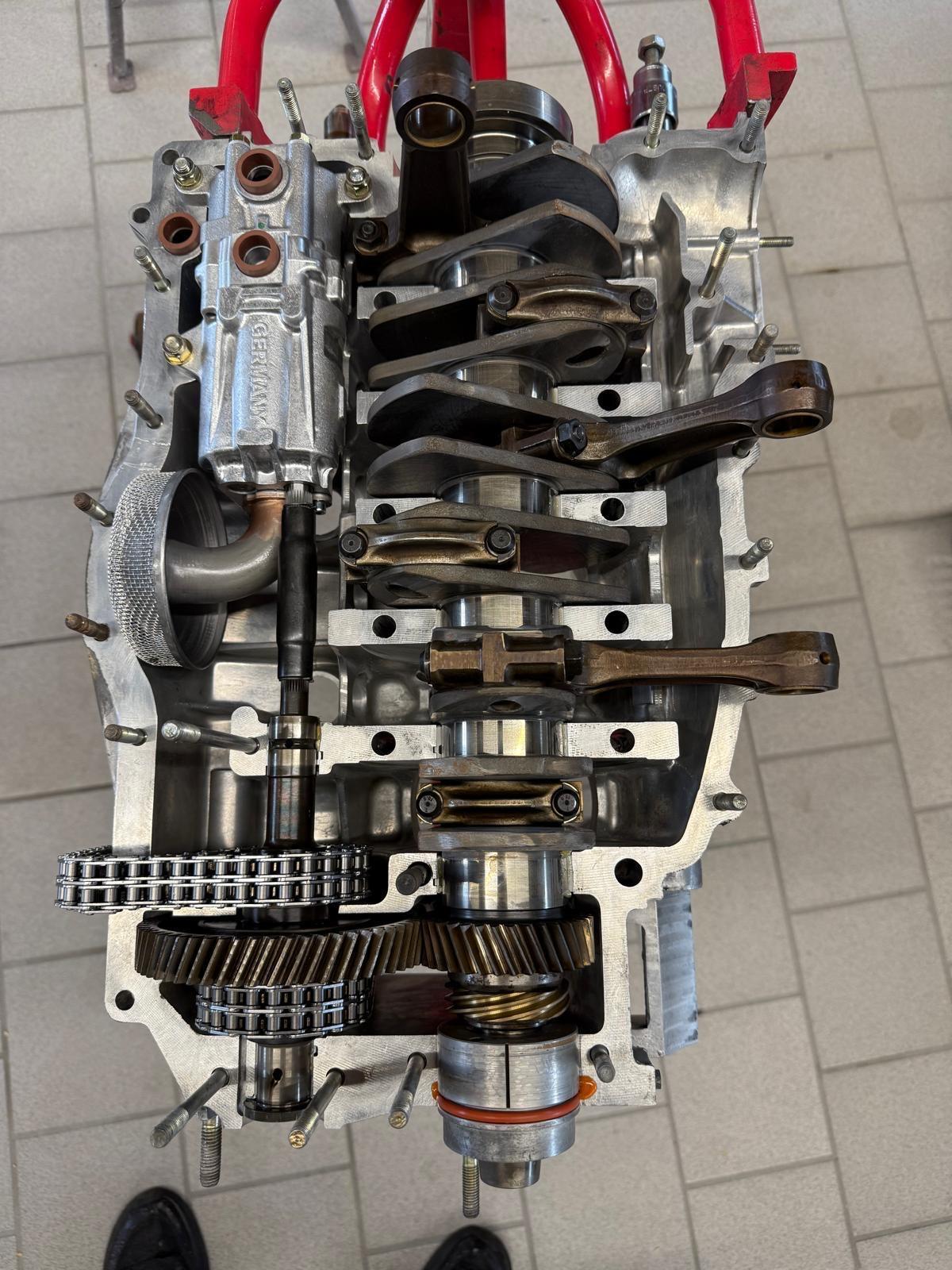
The chain has worn. Not the links breaking, but every pin and bush in the chain wearing by a fraction, which adds up over the length of it. The tensioner takes up the slack once oil pressure builds, which is why the rattle stops after a couple of seconds. What you hear in those two seconds is the chain slapping the guide rails with no pressure behind the tensioner.
Alongside it you will often find a stored fault code for camshaft position — the timing has drifted far enough that the engine management notices. Sometimes the light comes on. Sometimes it does not.
Why this engine is different
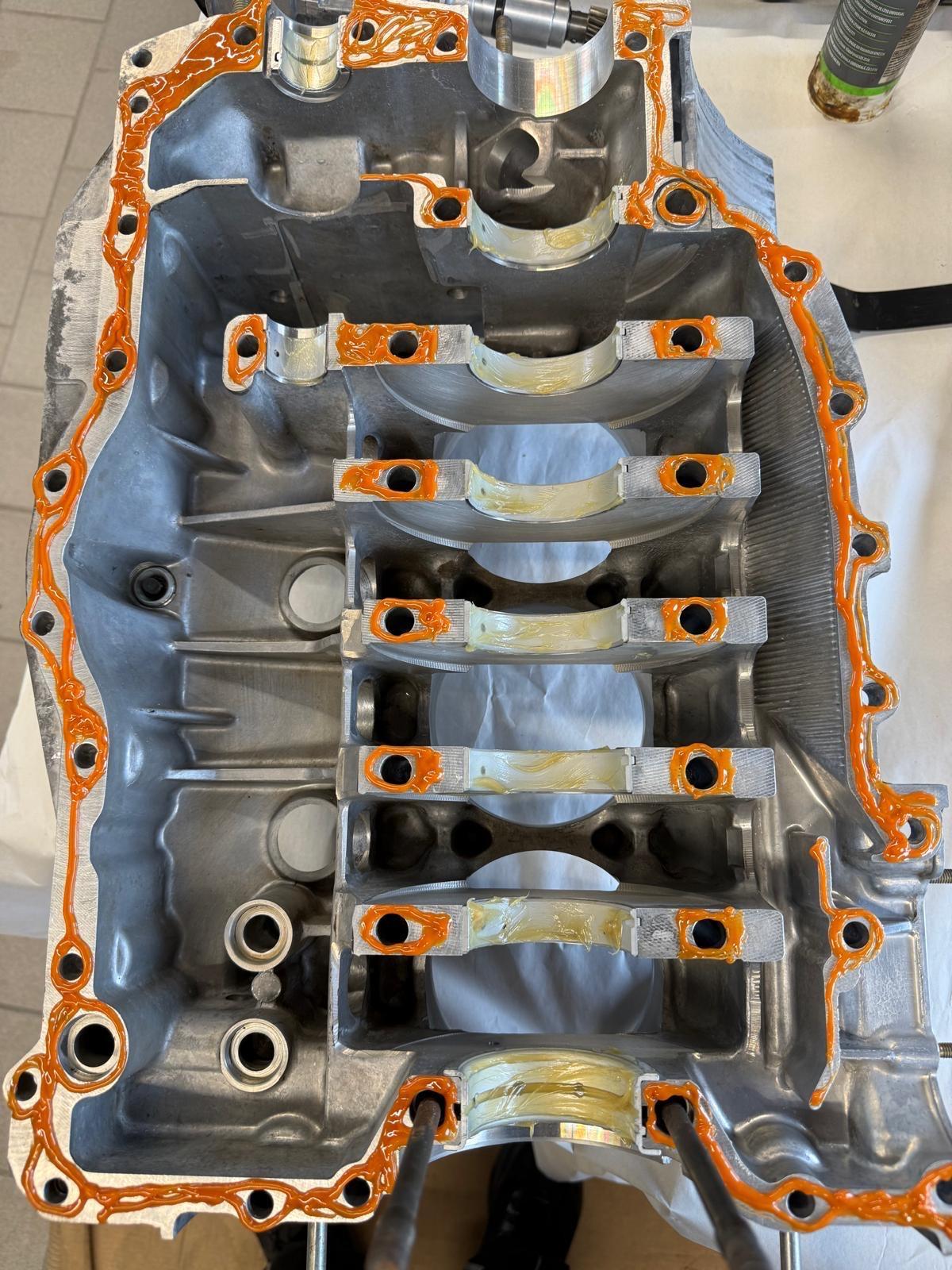
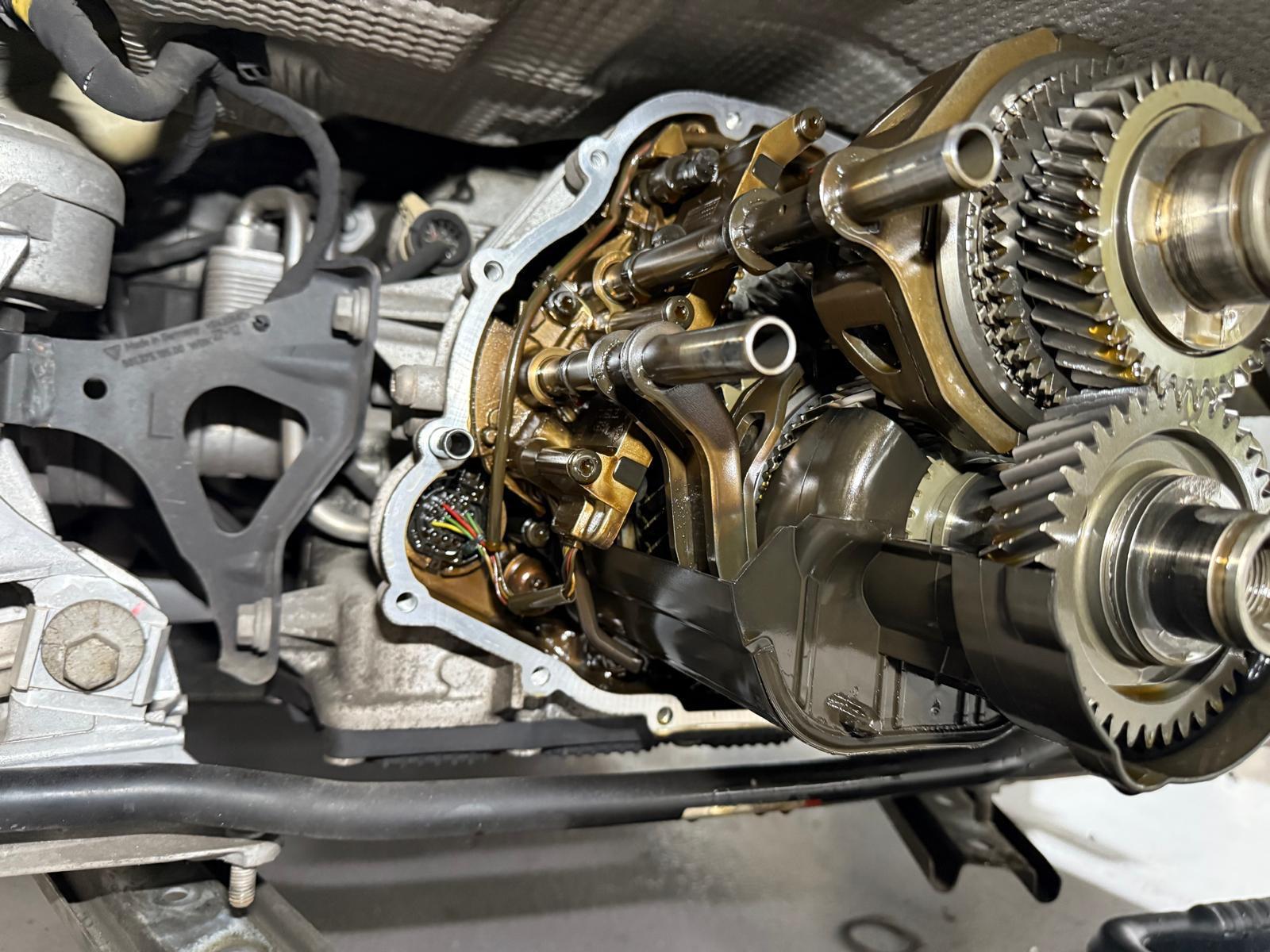
On most engines the chain drive sits at the front, behind a cover. You take the cover off and you are looking at it. On the BMW N47 and N57 it sits on the gearbox side — at the back of the engine, against the bellhousing.
That single design decision is why this job costs what it does. The engine stays in the car, but a great deal has to come off and out to reach the chain — on the N57 the whole gearbox. The parts are not the expensive part of a chain job on these engines. The access is.
Drive on with it and you are betting the engine against the price of a chain.
What happens if you wait
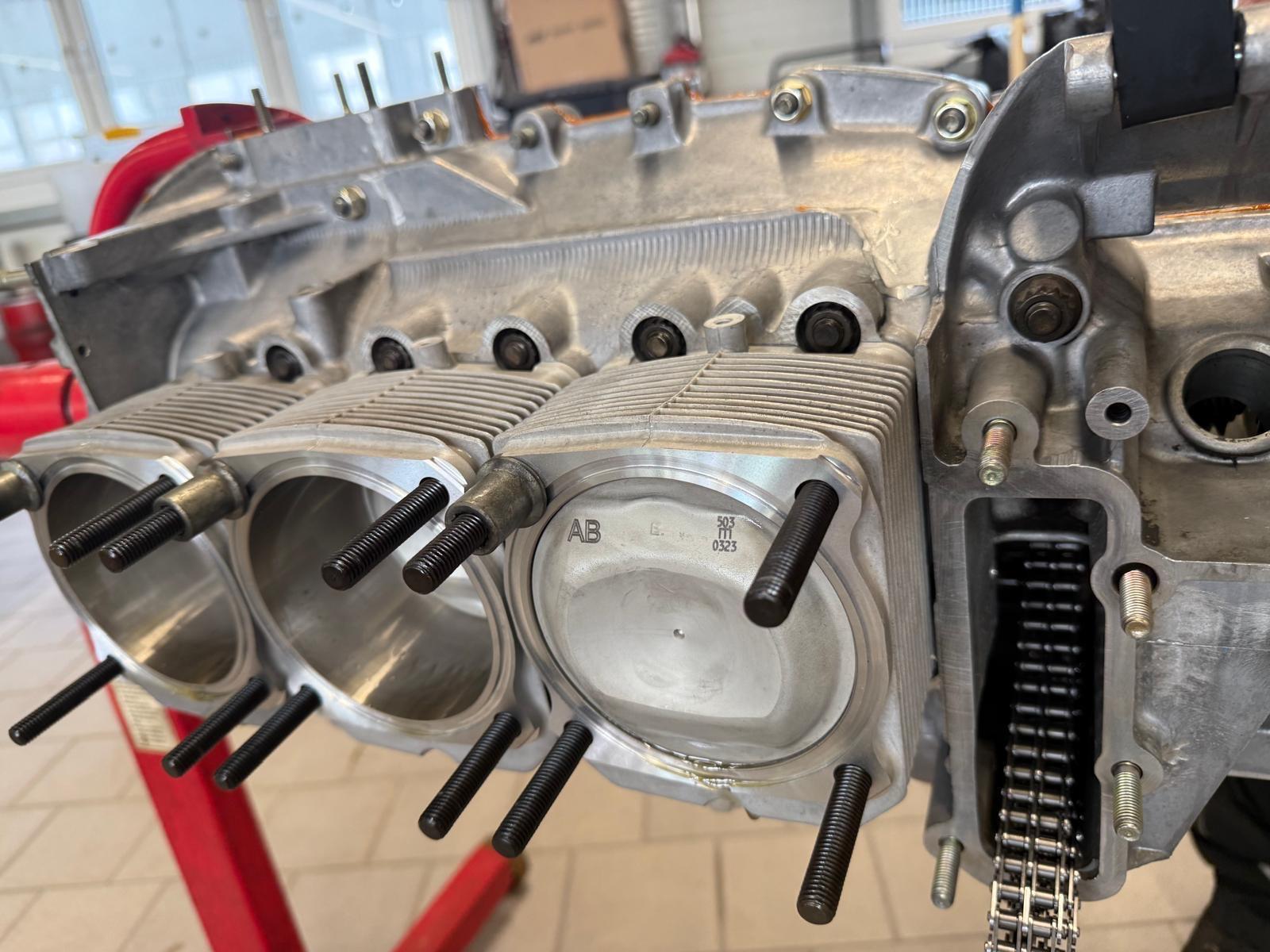
The chain keeps stretching. The tensioner runs out of travel. At some point the chain jumps a tooth on a sprocket, and on an interference engine — which this is — the valves meet the pistons.
At that moment the job stops being a chain replacement and becomes an engine repair: bent valves, likely damage to the pistons and possibly to the head. The bill goes up by a multiple, not by a percentage.
- Rattle is new and short — book it, but you are not in danger yet
- Rattle is longer than three seconds, or has started happening warm — stop driving long distances
- Fault codes for camshaft position, or the engine has gone into limp mode — do not drive it
- Metallic debris on the magnetic drain plug — do not start it again
What the job involves
Chain, tensioner, guide rails and both sprockets are renewed as a set. Fitting a new chain to worn rails is false economy: the new chain wears into the old geometry and the job comes round a second time, with the same access cost.
Valve timing is set with the specified locking tools, not by eye or by mark. The oil is changed afterwards, because whatever the old chain shed is in it.
What it costs
For the N47 and the N57 the price is on the price page, with the full scope beside it. Cars with xDrive cost a little more — and more again if the chain has already done damage on its way to being diagnosed.
Prices for the N47 and N57The service this article is about
Timing chain replacement
Symptoms, scope, the engines we know it on, and the three questions people actually ask.